

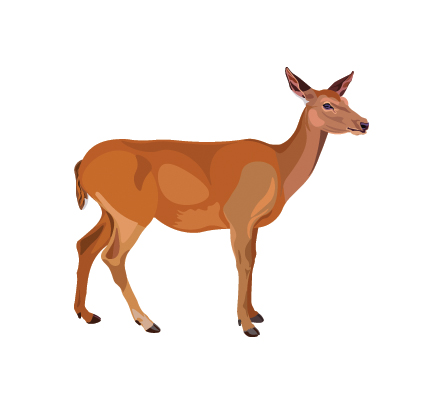
The Catalina Island Conservancy removed 670 invasive mule deer from the Middle Ranch area in September and October, substantially more than the roughly 200 anticipated. The findings suggest Catalina’s deer population is larger than previously estimated.
The initial fall assessment was designed to evaluate removal methods, better understand deer numbers and distribution, and determine how long it would take to reduce the Middle Ranch area’s deer population. These findings will inform future island-wide deer removal operations and guide the Conservancy’s ongoing restoration efforts.
This first phase of the operation was limited to about 5,300 acres of Conservancy land in the Middle Ranch area and concluded in October. The work was conducted by trained wildlife management professionals under a restoration management permit approved by the California Department of Fish and Wildlife.
Some of the harvested deer were delivered to the California Condor Recovery Program, providing an important, natural food source for endangered California condors.
“The number of deer removed was substantially higher than we anticipated, and that’s important information,” said Kate Wheeler, Conservancy president and CEO. “Prior population surveys gave us estimates, not exact counts. This first assessment operation has given us a clearer picture of what we’re dealing with, and we’ll use what we’ve learned to inform the important work ahead.”
More deer
than expected
The Conservancy has monitored Catalina’s deer population for decades using spotlight surveys, an established scientific method for estimating wildlife abundance and population trends. In 2025, those surveys produced an estimate of approximately 2,040 deer across the Island’s interior, excluding Avalon.
Based on those surveys, the Conservancy projected removing roughly 200 deer from the Middle Ranch operation area. The removal of 670 deer suggests the Island’s overall population is substantially larger than previously estimated. While spotlight surveys provide the best available estimates, they are not a census of every animal. The findings will help guide future deer removal operations and island restoration planning.
Field crews also observed that most of the deer were in poor physical condition, with visible ribs and very little body fat, raising concerns about the availability of adequate food in the area.
Map showing the Middle Ranch operation area, covering approximately 5,300 acres of Conservancy land near the center of Catalina Island.
Recovering habitat
for Catalina’s
native wildlife
Mule deer were introduced to Catalina for sport hunting nearly a century ago.
Decades of research have documented how deer eat native plants as they regrow, especially after wildfire. This can prevent native vegetation from recovering, giving invasive annual grasses room to spread.
Today, approximately 35% of the Island’s ecosystems are dominated by invasive annual grasses.
These grasses grow quickly after fire, dry out early and ignite easily, allowing flames to spread rapidly across the landscape. Each fire creates more opportunities for invasive grasses to spread, increasing wildfire risk and making it harder for Catalina’s native habitats to recover.
Catalina’s native shrubs, trees and other vegetation provide food, shelter and cover for wildlife, including the threatened Catalina Island fox, the Catalina Island shrew and native and migratory birds. Removing deer is a critical step toward restoring native habitats and supporting the wildlife that depends on them.
“There are many ways to love Catalina, and people don’t always agree about what caring for it requires,” Wheeler said. “We recognize that deer removal is painful for many people, and we don’t dismiss those concerns. We also have a responsibility to protect Catalina’s native species and habitats, which cannot recover under current conditions with deer present on the landscape.”
Further deer removal operations are planned to begin in the middle of 2027 as the Conservancy continues its long-term effort to restore Catalina’s native ecosystems.
Learn more about Protect Catalina at catalinaconservancy.org/protect.